U.S. Withdraws from the World Health Organization, Cutting Off Funding
January 21, 2025 - 16:16
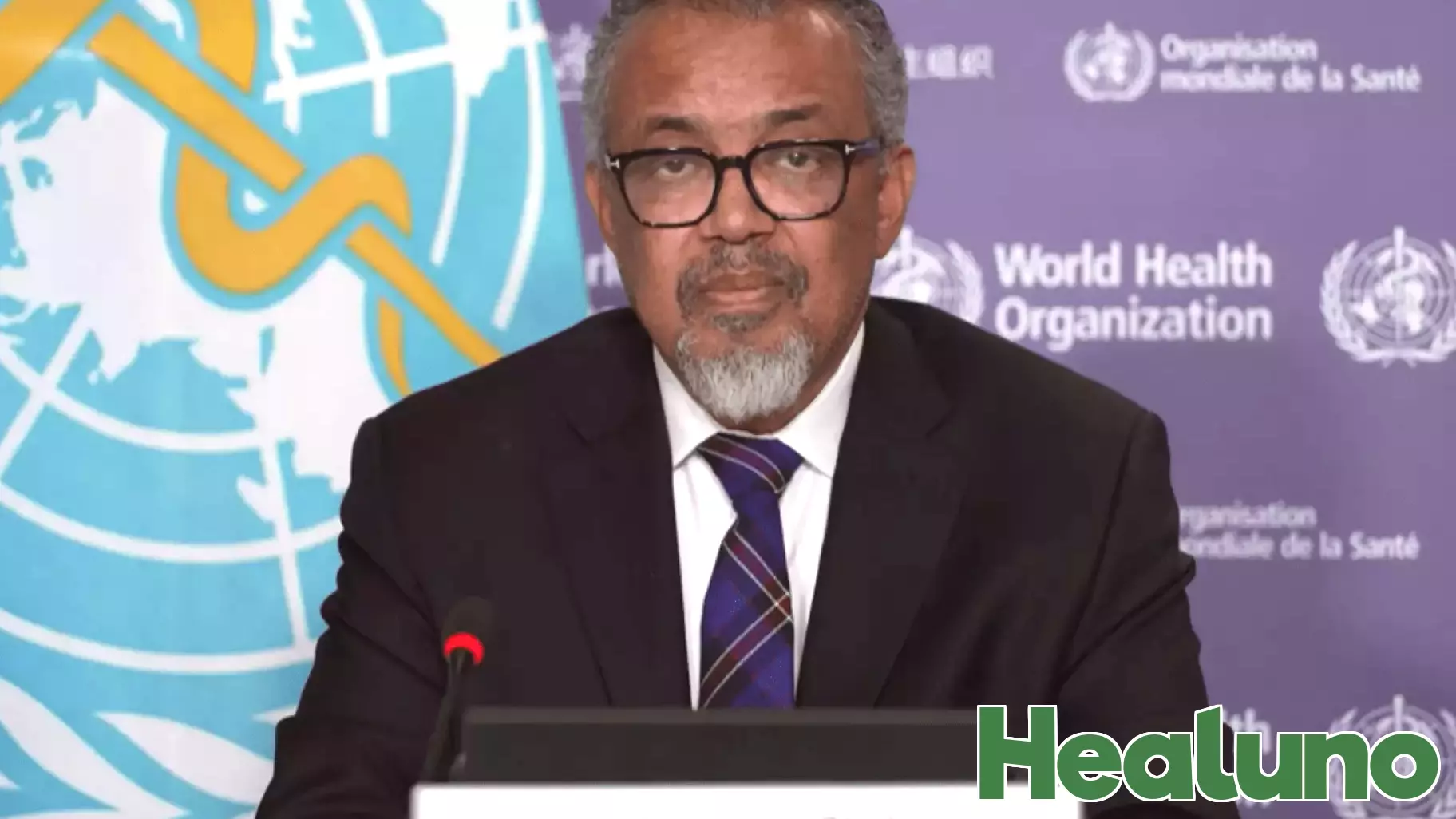
President Donald Trump has signed an executive order to withdraw the United States from the World Health Organization (WHO), citing its handling of the COVID-19 pandemic as a primary reason for this significant decision. The move is expected to halt millions of dollars in funding that the U.S. previously allocated to the global health body.
Critics of the decision argue that this withdrawal could undermine international efforts to combat the pandemic and address other pressing health issues. The WHO has been at the forefront of coordinating global responses to health crises, and losing U.S. support may hinder its ability to operate effectively.
The administration's decision has sparked a heated debate about the role of international organizations in public health and the importance of global cooperation in fighting diseases. As the world continues to grapple with the impacts of COVID-19, the implications of this withdrawal remain to be seen, with many experts warning of potential long-term consequences for global health initiatives.
MORE NEWS

October 26, 2026 - 19:03
Health Agency Eases Security and Transparency Requirements for Hospital Record SoftwareThe administration has rolled back a set of security, privacy and transparency requirements that had been placed on vendors of electronic health record software used by hospitals. The change...

October 26, 2026 - 06:18
The Dismantling of a Federal Health Research OfficeThe Agency for Healthcare Research and Quality is being reshaped from within, with few grant officers left on staff and millions in taxpayer dollars redirected without notice to Congress. The...

October 25, 2026 - 18:17
A Neurologist Says a 60-Second Word Game Beats Crosswords for Brain FogCrosswords and sudoku are popular ways to keep the mind sharp, but a neurologist argues they may not be the best tools for fighting brain fog. Dr. Rhonda Voskuhl says timed word games that...

October 25, 2026 - 03:39
San Antonio Inspections Expose Severe Health ViolationsHealth officials in San Antonio have documented a series of serious safety and sanitation problems at local food establishments, according to recent inspection records. The findings paint a...